
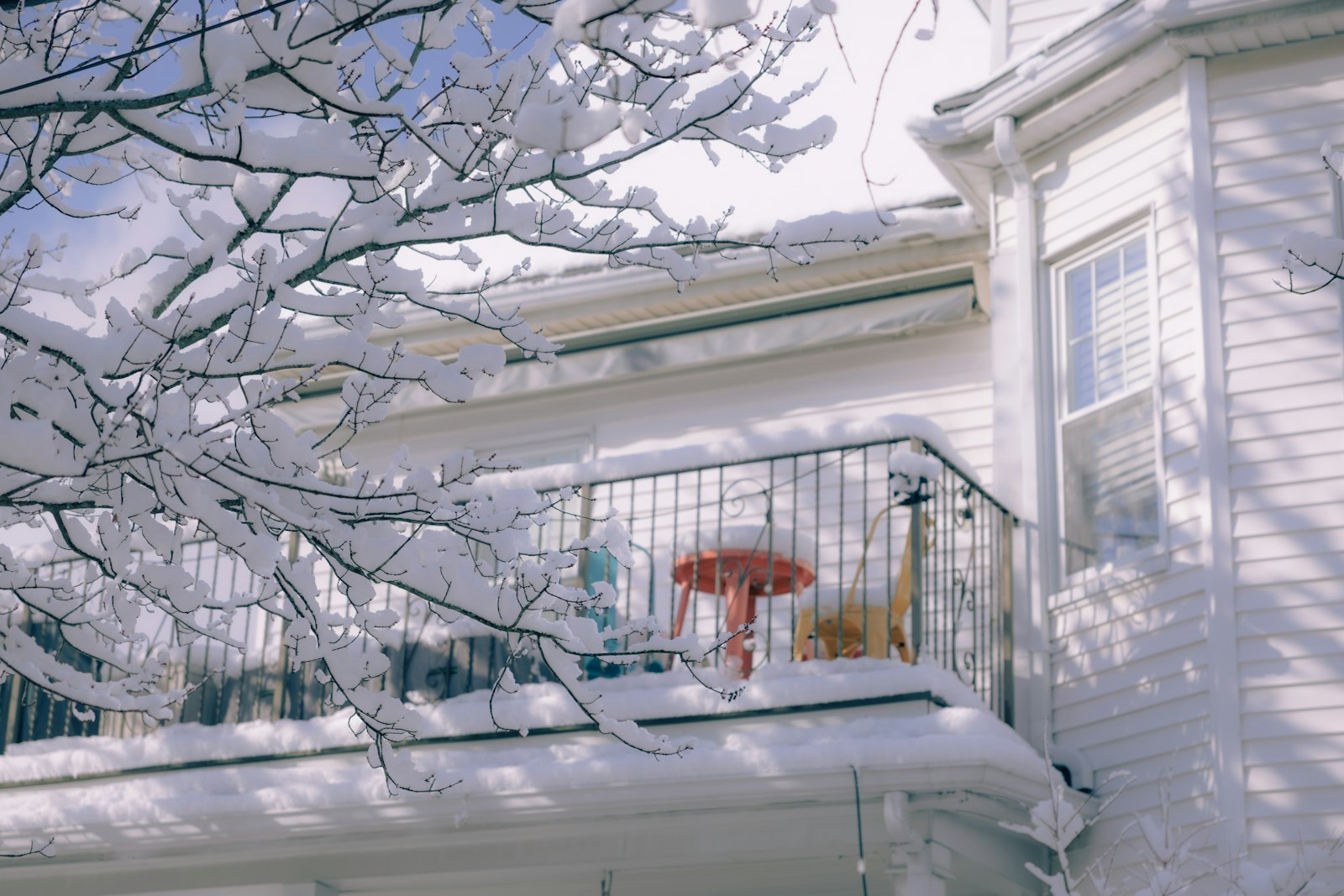
Artificial grass survives Ontario winters in St. Catharines without a problem. Synthetic turf is built from freeze-stable materials, and a properly drained base handles the snow, frost, and freeze-thaw cycles that come with a Niagara winter. It does not die back, it does not turn to mud in the spring melt, and it greets April the same green it was in October. Here is what actually happens to a synthetic lawn through a St. Catharines winter and how to care for it.
Does snow and ice damage artificial turf?
No. Snow and ice sit on top of the turf and melt away without harming the fibres or the backing. The materials are made to flex in the cold rather than crack. St. Catharines gets real snow, including lake-effect bands rolling in off Lake Ontario, and turf handles all of it. When the snow melts, the water drains straight through the permeable backing and the crushed stone base underneath, so you do not get the standing water and mud that plague natural lawns.
What about freeze-thaw cycles?
Freeze-thaw is the real test of a Niagara winter, and it is handled by the base, not the turf. Our region swings above and below freezing repeatedly through winter, especially near the lake and along the escarpment. Water that sits in the ground expands when it freezes and can heave a poorly built lawn. A turf lawn built on a compacted, well-drained crushed stone base lets water pass through and drain away before it can freeze in place, so the surface stays flat season after season. This is exactly why the base work covered in our base prep guide matters so much on our clay soils.
How do you remove snow from artificial grass?
Gently, and only when you need the space. A plastic shovel or a stiff broom is all you need for light snow. Push the snow rather than scraping down to the blades, and leave a thin layer if you can, since the turf underneath is fine and will reappear as it melts. For most homeowners the easiest approach is to let it melt on its own.
Should you use salt or an ice melter?
Skip rock salt. Avoid metal shovels and standard road salt on turf: metal edges can tear fibres, and salt residue builds up in the infill. If you must treat ice on a walkway of turf, use a small amount of a turf-safe, chloride-free de-icer and rinse the area when it warms up. In practice, most turf lawns need no de-icing at all because the surface drains and dries quickly.
Does turf get brittle in extreme cold?
Quality turf is rated for the temperature range St. Catharines sees. The fibres stay flexible in deep cold, and the backing is engineered not to become brittle. Very cold turf can feel a little stiffer underfoot, but it returns to normal as it warms, with no lasting effect. This cold stability is one reason turf outperforms natural grass here: while sod is dormant, frozen, and brown, the synthetic lawn looks the same all winter.
Does artificial grass fade after several winters?
Quality turf resists fading because the fibres carry UV inhibitors built into the plastic, and cold does not speed up fading the way you might expect. Between the summer sun and the winter freeze, it is actually strong summer UV, not the cold, that tests colour over the years. A good product holds its colour for a long time in St. Catharines, while a bargain turf with little UV protection can look tired sooner. That is one more reason grade choice pays off.
What happens to drainage when the ground is frozen?
When the sub-base is fully frozen, water cannot soak deep into the ground, but this is rarely a problem in practice. Winter precipitation here tends to arrive as snow that melts gradually, and the crushed stone base still carries that meltwater sideways to lower ground and drainage points rather than pooling on the surface. Because the base was graded to fall away from the house, the lawn drains as it thaws instead of turning into the swamp a flat natural lawn becomes in a St. Catharines March.
Is turf slippery when it ices over?
Turf is less slippery than bare concrete or interlock when a thin glaze of ice forms, because the blades and infill give some texture underfoot. If a walkway of turf does ice up during a freeze-thaw swing, a light pass with a chloride-free, turf-safe de-icer handles it. For a lawn area you use only in the warmer months, you can simply leave it until it thaws.
FAQs
Can you walk on artificial grass in winter?
Yes. Walking on frozen or snow-covered turf does not damage it. Just avoid dragging heavy metal tools across it, which can catch the fibres.
Will the spring melt leave my turf muddy?
No. As long as the base drains, meltwater passes straight through. You get a clean green lawn in spring instead of the mud a natural lawn leaves behind.
Do I need to do anything to winterize artificial turf?
Almost nothing. Clear leaves before the first snow so they do not mat down, and keep salt off it. That is the whole list.
Want a lawn that looks good through every Niagara winter? Talk to the Artificial Turf St Catharines team. Call (289) 402-5117 or get a free quote for your property in St. Catharines and the surrounding region.